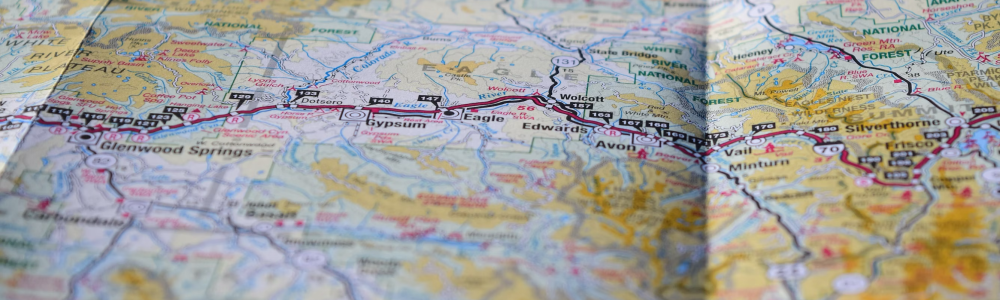
Bluelining, in the context of fishing, refers to the practice of exploring small, often remote, and unmarked streams or tributaries that appear as blue lines on a map, typically for the purpose of finding and catching wild trout. It's a combination of hiking, fishing, and exploration, often leading to secluded locations and native fish populations.
Links
Notes
Best Practices for Small Stream Fly Fishing
Finding Small Streams
Gear Selection
-
Rods
- 8-9 feet length ideal for most situations
- 4-5 weight, no more that 6
- Consider 6-7.5 feet for extremely brushy areas
- Slower action rods (fiberglass or bamboo) work better for short casts
- Can overline your rod by 1-2 sizes for better performance
-
Lines & Leaders
- Floating line only
- 7.5-9 foot leaders (4x)
- Shorter leaders for mountain streams
- Consider tenkara rods for extremely tight spots
Casting Techniques
-
Roll Cast
- Essential for small streams
- Keep hand by ear, make smooth acceleration to stop
- Pause to let line stick to water before forward cast
- Can be done at high angle, sidearm, or over opposite shoulder
-
Specialty Casts
- Bow and arrow cast for extremely tight spots
- Minimal false casting
- Keep casts short and controlled
Fly Selection
-
Dry Flies
- Sizes 10-14
- High-floating patterns (Stimulators, Parachute Adams, Foam Hoppers)
- Easy-to-see patterns important
-
Nymphs
- Sizes 10-14
- Standard nymphs for shallow areas
- Bead head nymphs for deeper pools
- Dropper rigs effective (4-8" below dry fly)
-
Terrestrials
- Grasshoppers, beetles, ants, wasps
- Don't need to be exact imitations
Approach & Stealth
-
Movement
- Move slowly and deliberately
- Stay low to avoid being seen
- Use natural cover (rocks, foliage)
- Avoid quick movements
-
Positioning
- Approach from downstream when possible
- Fish likely facing upstream
- Stay out of the water when possible
- Avoid casting shadows over fish
Fishing Strategy
-
Covering Water
- Don't spend too long in one spot
- Make a few casts and move on
- Focus on prime lies (pockets, bends, undercut banks)
- Be willing to explore and move between spots
-
Presentation
- Short, accurate casts
- Keep line off the water when possible
- Watch for quick strikes
- Use natural drifts
Special Conditions
-
Spring Creeks
- Fish more selective
- Use smaller flies
- Finer tippets
- More delicate presentations
-
Meadow Streams
- More spooky fish
- Longer leaders
- More precise casting
- More selective fly patterns
Mindset
- Appreciate the solitude and beauty
- Enjoy the experience beyond just catching fish
- Be prepared to explore and discover
- Accept that most fish will be small but wild and beautiful
Safety & Conservation
- Be aware of wildlife
- Practice catch and release
- Leave no trace
- Respect private property
Ultralight
Posted on
08/10/2025 08:51AM
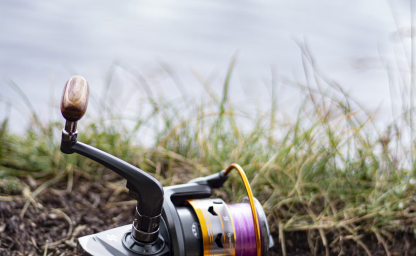
Ultralight fishing is a style of fishing that emphasizes the use of extremely light tackle, specifically rods, reels, and line, to target smaller fish species with more finesse and sensitivity. It's not defined by a specific fish species but rather by the light weight of the gear.
Links
Ult...